Spaghetti alle Vongole (Clams, Garlic, White Wine)
Neapolitan clam pasta made the plain way, in bianco — no cream, no tomato, no cheese — and the rare Italian plate that is correct both the night before a long race and the hour after one.
Spaghetti alle vongole is fresh clams opened in white wine and garlic, their liquor reduced and emulsified with the pasta, with nothing else in the pan. A plate comes to 602 calories with 90 g of carbohydrate and 24 g of protein in 35 minutes, low enough in fat and fiber to sit well the night before a long run and high enough in protein to count as a recovery meal after one.
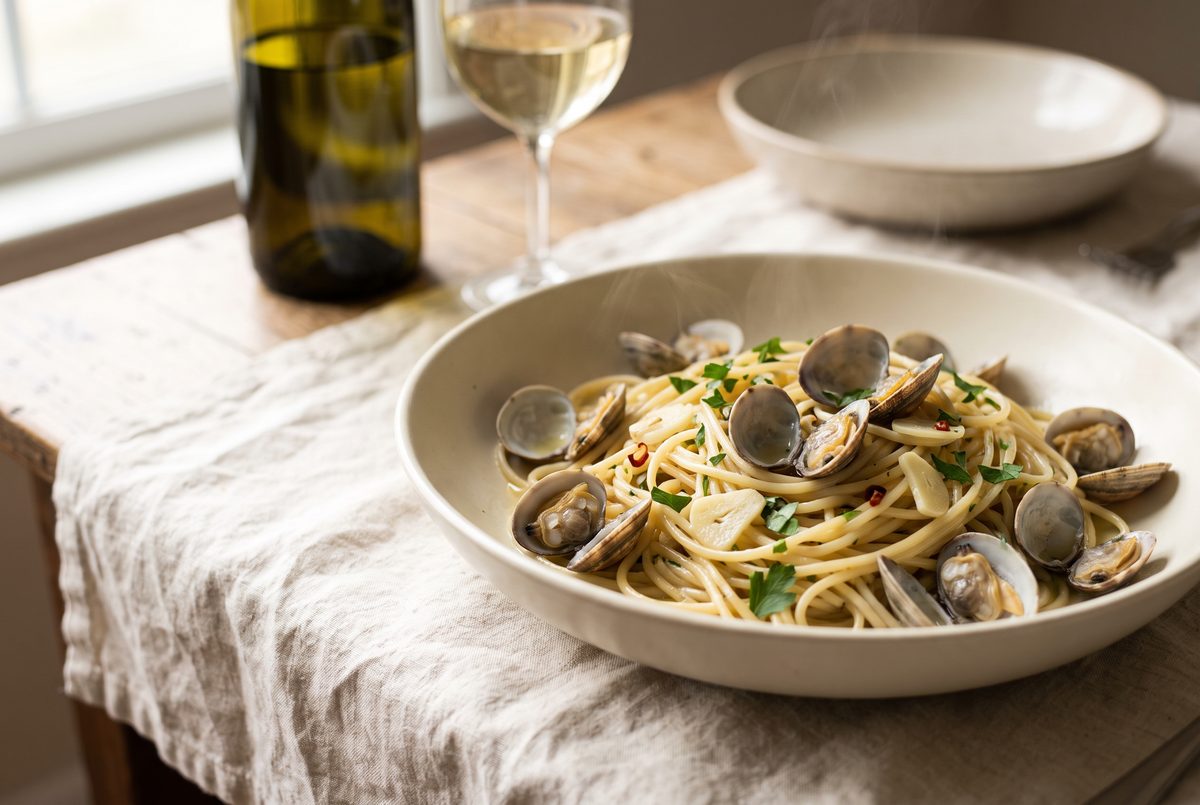
The first time I cooked clams properly I ruined them, and not by overcooking. The pasta was right, the garlic was right, the wine had reduced the way it was supposed to, and the whole pan was gritty — the fine grey sand that a clam keeps inside itself and lets go the moment it opens in heat. You cannot pick it out and you cannot rinse it off once the pasta is in. You eat a few forkfuls, hear the crunch, and throw out a pound of clams.
Everything else about spaghetti alle vongole is easy. It is a four-ingredient dish from the Bay of Naples that takes about as long as boiling the pasta, and the entire technique is one trick: pull the clams out of the pan the second they open, keep every drop of what came out of them, and use that liquid, with a ladle of starchy pasta water, as the sauce. There is no cream in it. There is no cheese on it — in Naples that is close to a moral position, and they are right, because Parmigiano flattens the sea flavour into something vaguely like chowder. In the standard Neapolitan division it is in bianco, white; the version with tomatoes is in rosso and is a different, heavier plate.
It also happens to be the single most useful dish on this site for anyone training long. A plate of it is 90 g of carbohydrate with 24 g of protein and 12 g of fat, which means it works the night before a marathon — when you want starch without fat or fiber sitting in your stomach at 6 a.m. — and again two hours after you finish, when you need the carbohydrate back plus enough protein to repair with. Nothing else in the endurance recipes covers both ends of that day.
Why this recipe works for endurance
90 g of carbohydrate is a real carb-loading portion, not a gesture. The 2016 joint position stand from the Academy of Nutrition and Dietetics, Dietitians of Canada and the ACSM (Thomas, Erdman & Burke) puts pre-event loading at 8–12 g of carbohydrate per kilogram of body weight per day for events over 90 minutes. A 150-lb (68 kg) runner is looking for 550–820 g in a day; this plate is 90 g of it, and because the pasta is semolina the carbohydrate is almost entirely starch rather than sugar — 3.6 g of sugar per serving. The arithmetic of a whole loading day is worked through in carb loading the Italian way.
The fat and fiber are low on purpose, and that is the pre-race part. Gastric emptying slows with both, and pre-race gastrointestinal trouble is the most common reason a well-trained race goes badly. At 12 g of fat and 4 g of fiber per serving this is about as light as a 600-calorie plate gets; a carbonara on the same quantity of pasta lands near 30 g of fat, and a whole-wheat pasta with vegetables would double the fiber. Burke and colleagues (2011) make the same point about the pre-event meal: maximise the carbohydrate, minimise everything that slows it down.
24 g of protein is what turns it into a recovery meal. Post-exercise muscle protein synthesis rises with dose up to roughly 20–25 g of high-quality protein in a single feeding in young adults (Moore et al., 2009), and the carbohydrate eaten alongside it is what refills muscle glycogen in the hours when the muscle is most receptive (Beelen et al., 2010). Clams are the reason the number is there at all: 4 lb in the shell shuck down to about 9½ oz of meat carrying 35 g of protein, on top of the 59 g the pound of pasta brings.
Clams are an unusually dense source of vitamin B12 and iron — among the highest of any common food for both, per USDA FoodData Central — which matters more than usual to endurance athletes, who lose iron through sweat, gut losses and foot-strike haemolysis, and among whom low iron status is common. We are not making a claim about performance here; the dish is worth cooking because it tastes the way it does. But if you are a distance runner who eats little red meat, this is one of the better plates in the endurance recipes to have in rotation.
Ingredients
4 large plates, about 4 oz dry pasta and 1 lb of clams each
The clams
The pasta
The sauce
Instructions
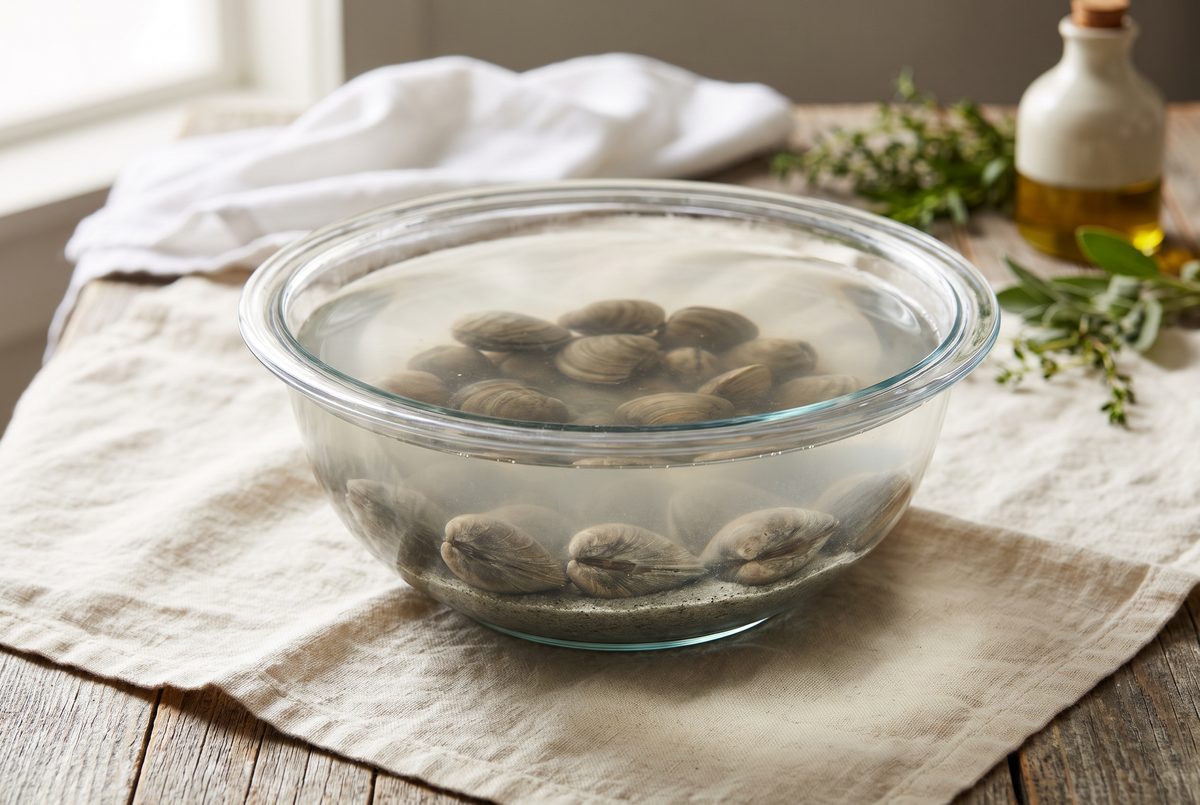
- Purge the clams, 30 minutes. Dissolve the 3 tablespoons of salt in 2 quarts of cold water — roughly the salinity of seawater, which is what keeps the clams alive and breathing — and sit the clams in it in a wide bowl for 30 minutes, somewhere cool. Do not use fresh water: it kills them and they stop filtering, which is the opposite of what you want. Lift them out with your hands rather than pouring, so the sand they have spat out stays on the bottom of the bowl. Scrub the shells under cold water. Discard any clam with a cracked shell, and any gaping one that does not close when you tap it on the counter — that one is dead.
- Get the pasta water going first. Bring 5 quarts of water to a rolling boil with the 2 teaspoons of salt. Half the usual salt — clam liquor is seawater, and a normally salted pasta plus a normally salty sauce is the single most common way this dish comes out inedible. The pasta goes in once the clams are in the pan, and the timing below is built around that.
- Garlic in cold oil, pale gold only. Put the oil, sliced garlic and chili flakes in a wide, deep skillet or sauté pan with a lid and set it over medium heat — starting cold lets the garlic give up its flavour slowly instead of scorching. Swirl it for about 2 minutes, until the slices are barely pale gold and smell sweet. Brown garlic is bitter and there is nothing in this dish to hide it behind, so if it darkens, start again. Drop the spaghetti into the boiling water now.
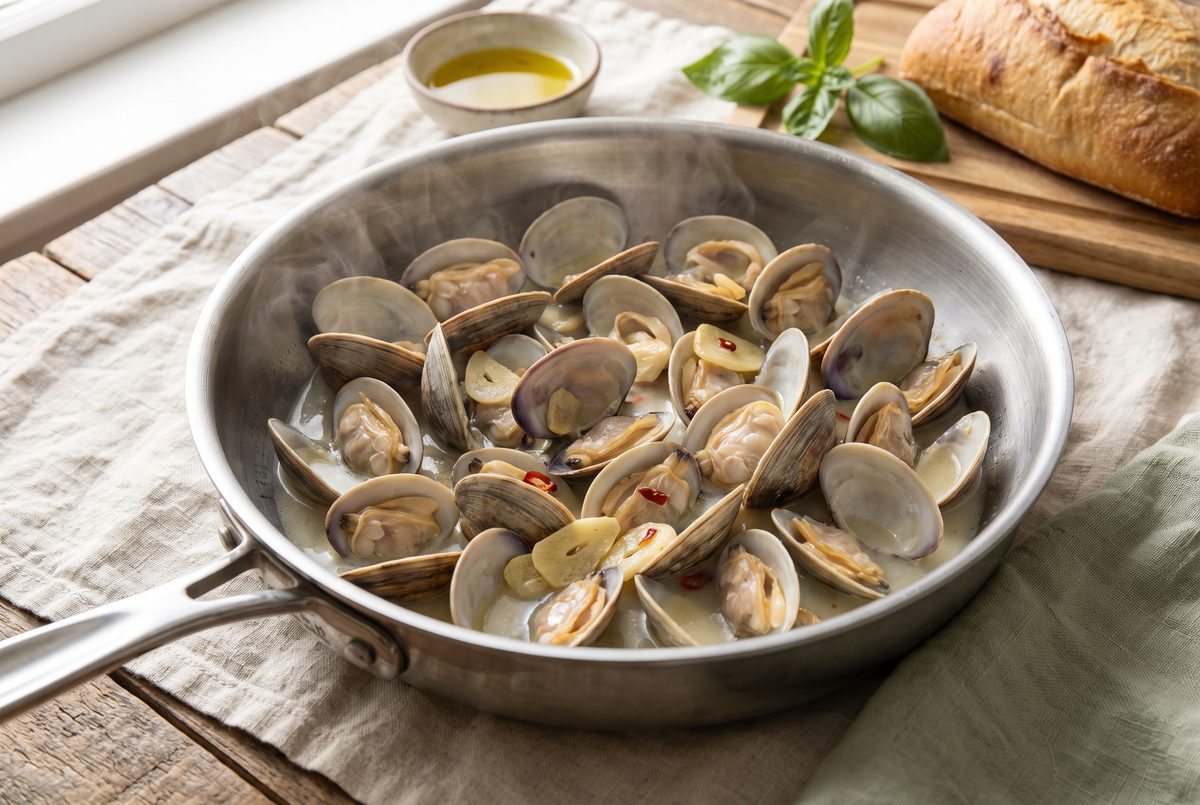
- Clams and wine, lid on, 5–7 minutes. Turn the heat to high, tip in the clams and pour the wine over them, then clamp the lid on. They steam open in 5 to 7 minutes. Lift the lid at 4 minutes and start taking out the open ones with tongs into a bowl as they go — a clam is cooked the second it opens, and the ones that opened first turn to rubber waiting for the slow ones. Anything still shut at 9 minutes goes in the bin; do not pry it.
- Strain the liquor. This is the sauce. Pour everything left in the pan through a fine-mesh strainer into a measuring cup — you should have about 1 cup. Whatever sand survived the purge is now in the strainer instead of in the dish; this step is why the recipe works. Wipe the pan, pour the strained liquor back in and boil it hard over high heat for 2 minutes, until it is reduced to roughly ⅔ cup and tastes concentrated rather than watery.
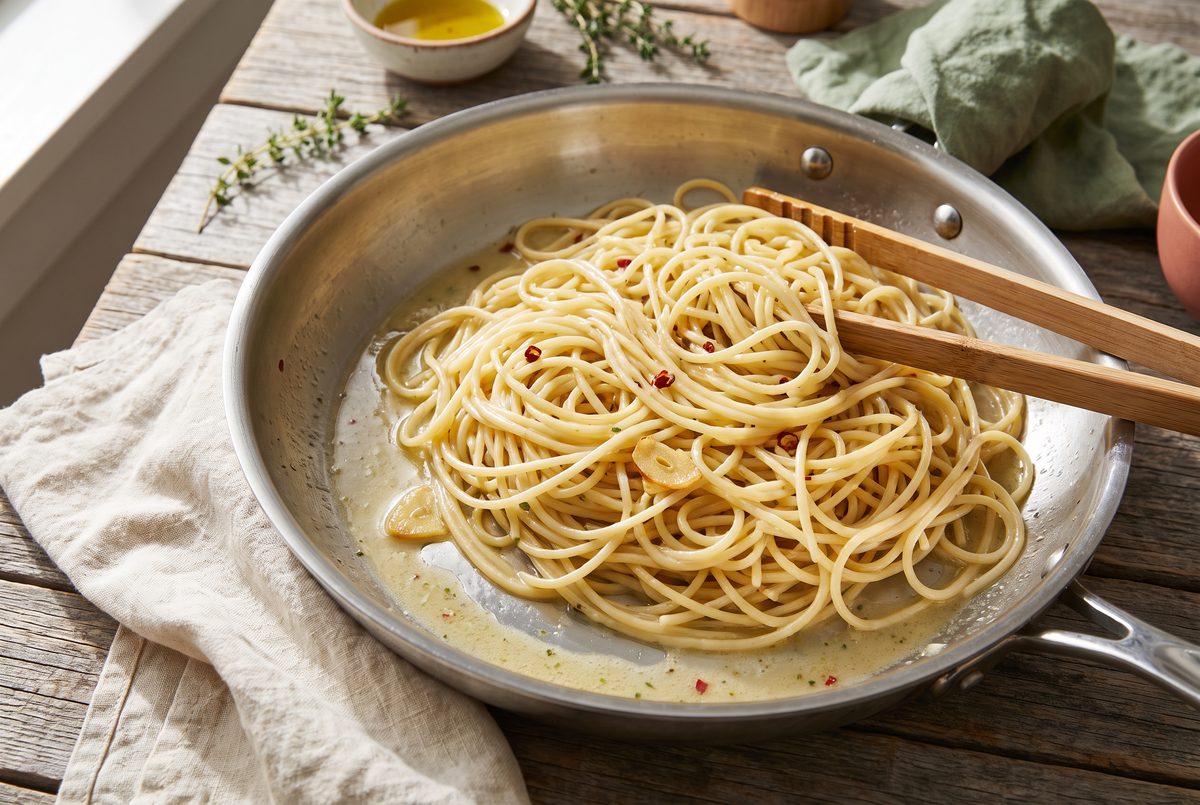
- Finish the pasta in the pan, 2 minutes short. Drain the spaghetti 2 minutes before the box says al dente — it will still have a hard white core — reserving a mug of the water. Add it to the reduced liquor with a splash of the pasta water and cook on high for 2 minutes, moving it constantly with tongs. The starch on the pasta and the oil in the pan come together into a glossy sauce that clings; if it looks thin, keep going, and if it looks dry, add pasta water a tablespoon at a time. This is the step that separates clam pasta from pasta with clams on it.
- Clams back in, off the heat. Kill the heat, return the clams and any juice that has collected under them, add the parsley and the black pepper, and toss once. Taste before you salt — nine times out of ten it needs nothing. Serve immediately in warm bowls, with the empty-shell bowl on the table. There is no cheese in this dish and no bread crumbs on it; bread alongside, to wipe the bowl, is the only acceptable addition and in Naples it is compulsory.
Tips from our kitchen
- Buy the smallest clams in the case. Littlenecks at 10–12 per pound are the US equivalent of the Mediterranean vongole veraci; the big cherrystones and quahogs next to them are chewy and belong in chowder. Ask when they came in — clams should smell of clean seawater and nothing else, and the shells should be tightly shut or close when tapped.
- Keep them alive until the moment they cook. In the fridge, in a bowl, covered with a damp towel — never sealed in the plastic bag and never sitting in fresh water, both of which suffocate them. Cook them the day you buy them, two days at the outside.
- A wide pan matters more than a big one. Clams in a deep narrow pot steam in layers: the bottom ones overcook while the top ones are still shut. A 12-inch sauté pan holds 4 lb in roughly two layers, which is close enough.
- If the sauce will not come together, the pasta was too wet or the heat was too low. Both are fixed the same way — keep the pan on high and keep the tongs moving. The emulsion is mechanical, not chemical.
- No lemon, no cheese, no cream. Each one is common in American versions and each one does the same thing: it covers the taste of the clams, which is the only reason to cook this. If the dish tastes flat, it needs reduction, not an addition.
Variations
- In rosso, the Neapolitan tomato version: add 1½ cups of halved cherry tomatoes to the garlic before the clams and give them 3 minutes to collapse. Adds about 10 calories and 2 g of carbohydrate per serving, and it is a different dish — heavier, sweeter, and the usual choice when the clams are not at their best.
- With canned clams, which is a legitimate weeknight answer and not a disgrace: two 10-oz cans of whole baby clams, drained with the juice kept, added at the very end so they only warm through. Use the canned juice in place of the pan liquor and reduce it the same way. Cut the pasta salt to nothing: canned clam juice is far saltier than what fresh clams give up, and this is the one version of the dish that can genuinely come out too salty.
- Vongole e fagioli, from the Campanian coast: fold in a cup of drained cannellini beans with the clams at the end. Brings the plate to 670 calories, 102 g of carbohydrate, 29 g of protein and 7.8 g of fiber — more of a training-day dinner than a pre-race one, because of the fiber.
- As a pure fuel-up plate, leave the chili out, drop the clams to 2½ lb and serve it 14–16 hours before the start. The lower shellfish load is nothing to do with nutrition and everything to do with not introducing a new quantity of anything the night before a race.
- If clams are out of reach, the Sicilian tuna pasta is the pantry version of the same idea — seafood, pasta, 25 minutes — and the potato gnocchi with tomato and basil is the carb-heavier, protein-lighter option for the night before.
Storage & meal prep
Clam pasta does not keep, and nobody in Naples pretends otherwise. The pasta goes on absorbing the sauce until it is dry, and clam meat warmed a second time goes from tender to rubbery with no middle ground. If you have leftovers, eat them cold or at room temperature the next day — genuinely good, more like a seafood pasta salad, with a little olive oil and parsley stirred through. Do not microwave them. Raw clams in the shell keep 1–2 days in the fridge under a damp towel, and you can purge them the day before and keep them in the fridge in the salted water if that helps your timing. Cooked clams picked from their shells keep 2 days in the fridge for a salad; freezing either raw or cooked clams turns the meat tough.
Nutrition per serving
| Nutrient | Amount | % DV* |
|---|---|---|
| Calories | 602 kcal | 30% |
| Total fat | 12 g | 15% |
| Saturated fat | 1.8 g | 9% |
| Carbohydrates | 90 g | 33% |
| Fiber | 4 g | 14% |
| Sugars | 3.6 g | — |
| Protein | 24 g | 48% |
| Sodium | 341 mg | 15% |
*Percent Daily Values are based on a 2,000-calorie diet. Values are calculated from USDA FoodData Central and manufacturer data for the ingredients as listed; they are estimates, not lab analyses. Nutrition disclaimer.
Frequently asked questions
What is spaghetti alle vongole?
A Neapolitan pasta dish of fresh clams opened in a pan with olive oil, garlic, chili and white wine, finished with the pasta in the clams' own liquor and a handful of parsley. There is no cream, no tomato and no cheese in the classic in bianco version — those five or six ingredients are the whole dish. The tomato version, in rosso, exists and is also Neapolitan, but it is a separate recipe rather than an improvement.
How do you get the sand out of clams?
Sit them for 30 minutes in cold water salted to roughly seawater strength — about 3 tablespoons of kosher salt in 2 quarts — which keeps them alive and filtering so they spit the sand out. Lift them out of the bowl by hand instead of pouring, or you tip the sand straight back over them, and then strain the pan liquor through a fine-mesh strainer before it becomes the sauce. Doing one and skipping the other is how most gritty plates happen. Fresh water does not work: it kills the clams, they stop filtering, and the sand stays inside.
Is spaghetti alle vongole healthy?
It is one of the leaner pasta plates you can cook: 602 calories with 12 g of fat, of which only 1.8 g is saturated, and 24 g of protein. Clams are very lean — about 74 calories per 100 g of meat — and an unusually dense source of vitamin B12 and iron. The number to watch is sodium: the table shows 341 mg per serving, but that counts only the clam meat and the pasta-water salt, not the seawater-salty liquor that becomes the sauce, so the real plate is saltier than the figure suggests. That is also why you should taste before adding any.
How much protein is in spaghetti alle vongole?
24 g per plate in this recipe — about 9 g from the clams and 15 g from the pound of pasta split four ways. That is enough to work as a post-exercise meal, where muscle protein synthesis is maximal at around 20–25 g of quality protein per feeding in young adults (Moore et al., 2009). If you want more, the cannellini variation above takes it to 29 g.
Can I make spaghetti alle vongole ahead of time?
Not the finished dish — it is a 20-minute cook designed to go straight from pan to bowl, and both the pasta and the clams get worse within minutes. What you can do ahead is the purging: clean the clams and leave them in their salted water in the fridge for up to a day, so that on the night the whole thing is garlic, wine, clams, pasta and twenty minutes. If you need a seafood pasta that genuinely keeps, the Sicilian tuna pasta reheats and travels.
Sources
- USDA FoodData Central — mollusks, clam, mixed species, raw; pasta, dry, enriched; olive oil; garlic; parsley; white wine
- Thomas, D.T., Erdman, K.A. & Burke, L.M. (2016). Position of the Academy of Nutrition and Dietetics, Dietitians of Canada, and the American College of Sports Medicine: Nutrition and Athletic Performance. Journal of the Academy of Nutrition and Dietetics
- Burke, L.M., Hawley, J.A., Wong, S.H.S. & Jeukendrup, A.E. (2011). Carbohydrates for training and competition. Journal of Sports Sciences
- Moore, D.R. et al. (2009). Ingested protein dose response of muscle and albumin protein synthesis after resistance exercise in young men. American Journal of Clinical Nutrition
- Beelen, M., Burke, L.M., Gibala, M.J. & van Loon, L.J.C. (2010). Nutritional strategies to promote postexercise recovery. International Journal of Sport Nutrition and Exercise Metabolism
- US Food and Drug Administration — Selecting and Serving Fresh and Frozen Seafood Safely (live shellfish should close when tapped; discard shells that do not open during cooking)
You might also like
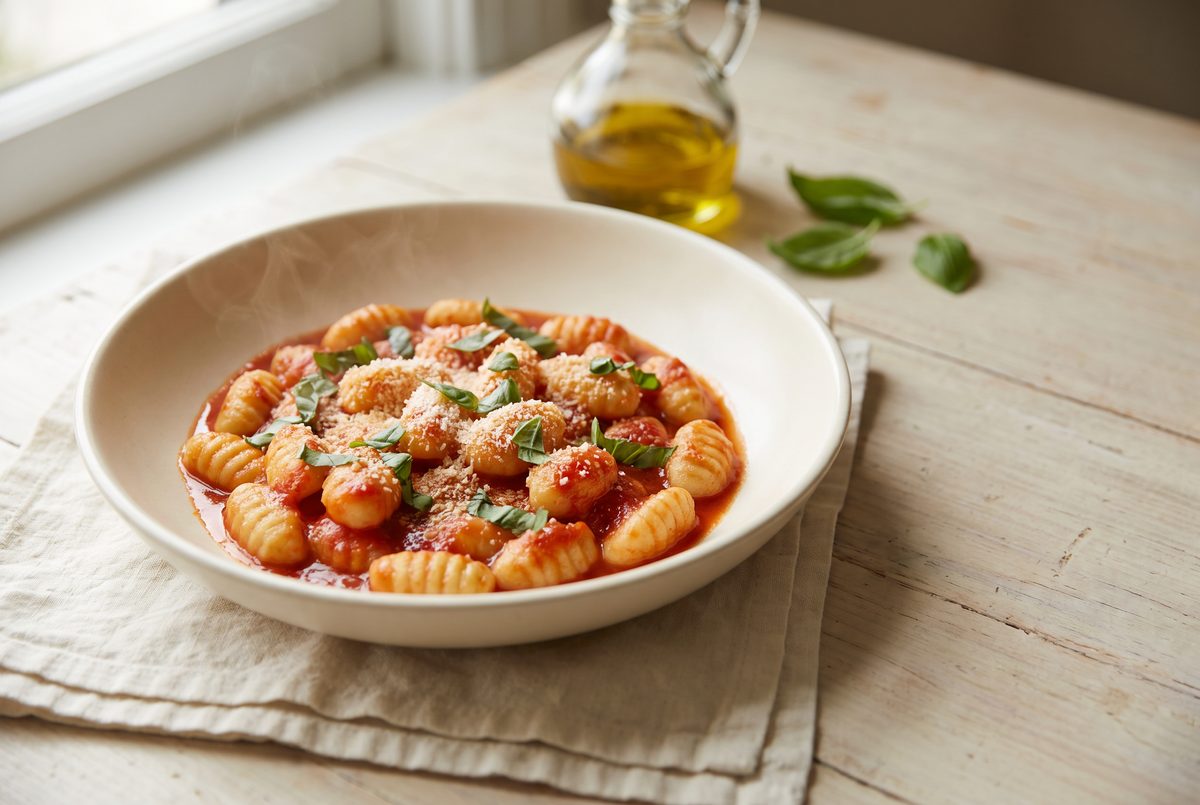
Potato Gnocchi with Tomato and Basil
Potato gnocchi made from baked (not boiled) russets, one egg and just enough flour to hold them together, dressed in a…
- 1 hr 45 min
- 526 kcal
- 17 g protein
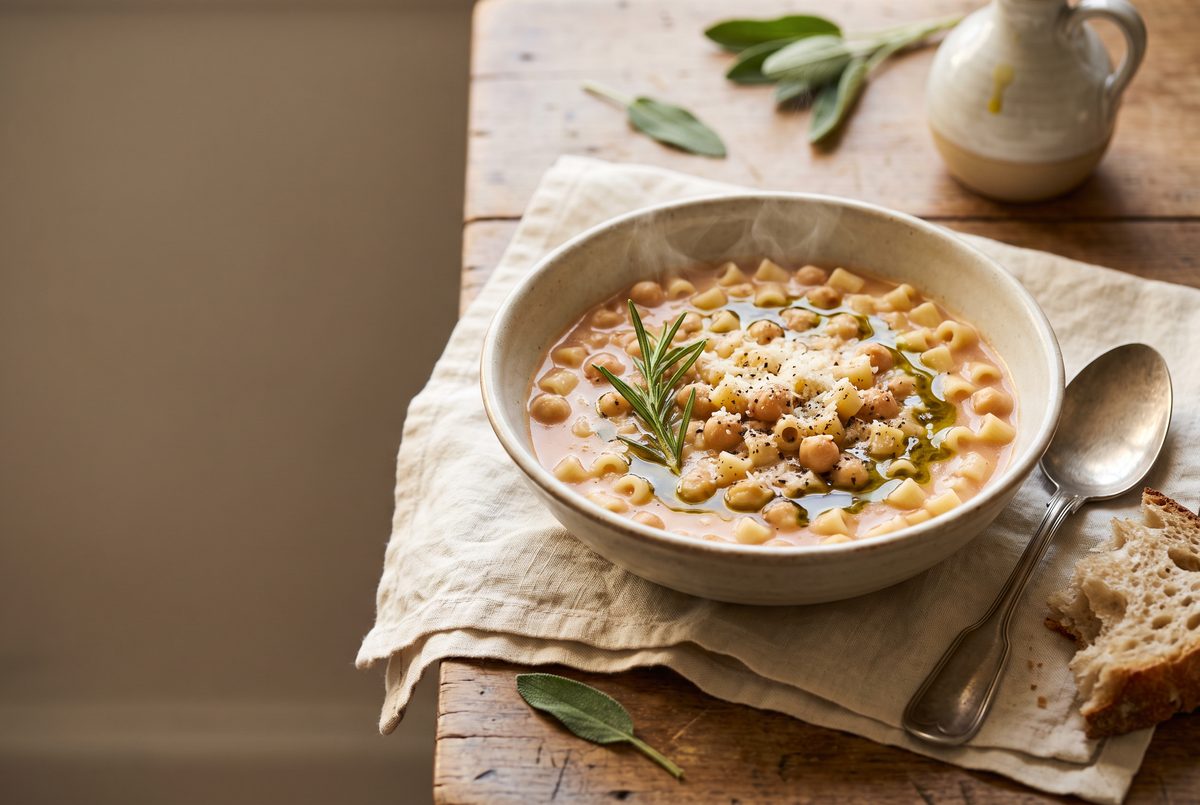
Pasta e Ceci (Roman Pasta with Chickpeas)
Pasta e ceci is a Roman one-pot dish of short pasta simmered with chickpeas, rosemary, garlic and a spoon of tomato…
- 35 min
- 611 kcal
- 23 g protein
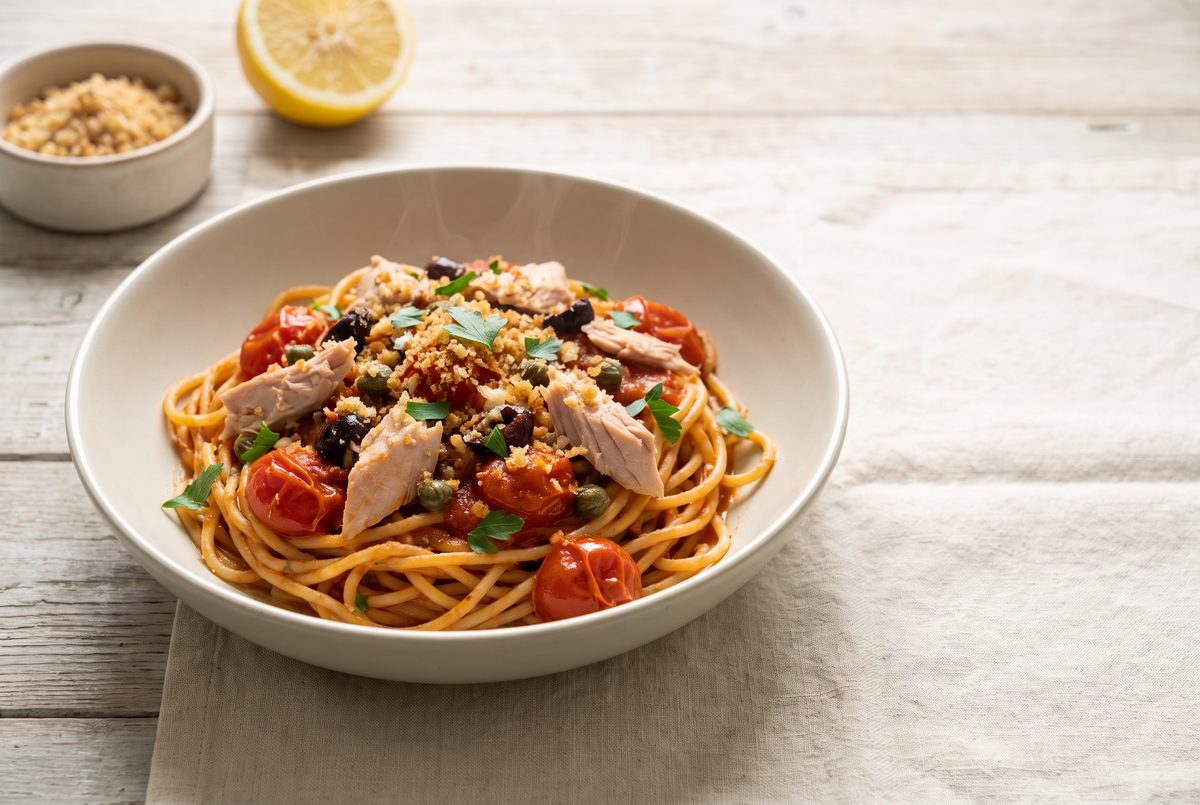
Sicilian Tuna Pasta (Pasta al Tonno)
Sicilian tuna pasta is a 25-minute pantry dinner: spaghetti tossed with olive-oil-packed tuna, burst cherry tomatoes…
- 25 min
- 662 kcal
- 31 g protein